
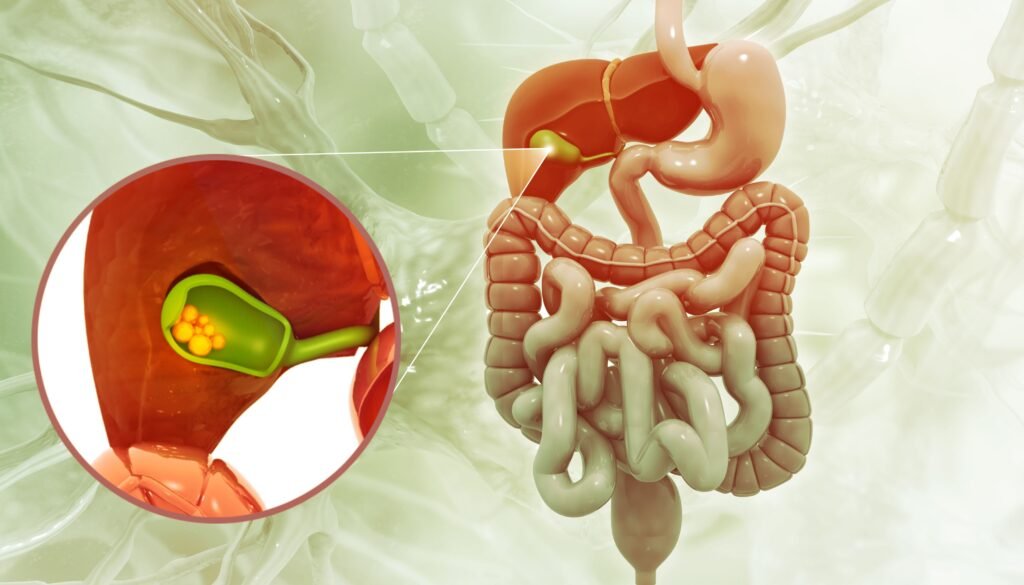
Excess body weight, particularly central obesity, is a known risk factor for the development of gallstones, particularly in women. The presence of obesity correlates with elevated cholesterol levels in bile, a primary component in gallstone formation. Additionally, obesity can result in a distended gallbladder that functions suboptimally, further exacerbating the risk.
Rapid weight reduction is another significant risk factor. Accelerated weight loss can lead to an increased concentration of cholesterol in the bile and hinder the gallbladder’s ability to empty correctly. Procedures such as metabolic and bariatric surgery, which induce swift weight loss, can consequently elevate the risk of gallstones.
The choice of weight-loss intervention plays a pivotal role in gallstone development. Strategies that promote rapid weight loss are more likely to precipitate gallstone formation compared to those advocating gradual weight reduction. Silent gallstones—those that exist without causing symptoms—can become problematic during rapid weight loss.
Factors that heighten the risk of gallstone complications post weight-loss surgery or during a very low-calorie diet regimen include:
-
Pre-existing gallstones, particularly if symptomatic
-
Significant excess weight prior to the commencement of a weight-loss program
-
Rapid weight loss following bariatric surgery or initiation of a very low-calorie diet
To mitigate the risk of gallstones during significant weight loss, it is advisable to consult a healthcare professional. Medications such as ursodiol can be effective in preventing gallstones in individuals undergoing rapid weight loss due to very low-calorie diets or weight-loss surgery.
Weight cycling, characterized by repeated episodes of weight loss and gain, can also predispose individuals to gallstone formation. The greater the weight fluctuations, the higher the risk. It is prudent to avoid crash diets that promise quick results and instead focus on gradual, sustainable weight loss.
To safely reduce the risk of gallstones, a moderate weight loss of 5 to 10 percent of initial body weight over six months is recommended. This approach not only lowers gallstone risk but also confers additional benefits such as improved mood, increased energy levels, and a positive self-image.
Adopting a diet conducive to weight loss and gallstone prevention, coupled with regular physical activity, can enhance overall health. Aiming for at least 150 minutes per week of moderate-intensity exercise, such as brisk walking or energetic dancing, along with muscle-strengthening activities at least twice a week, can support both weight management and gallbladder health.